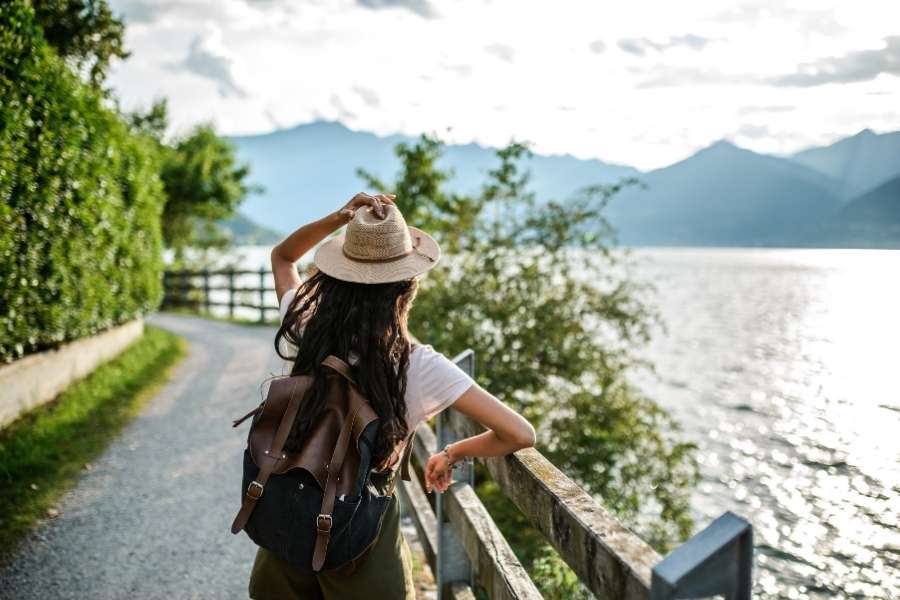
Picture stepping onto a quiet, sun-drenched pier. The salty breeze hits your face, and the blue ocean stretches endlessly. You are completely on your own, ready to conquer paradise. Striking out into the unknown brings an intoxicating sense of independence. However, remote destinations present unique, sudden challenges. Without a solid plan, a dream getaway can rapidly turn into a stressful ordeal. How do you balance the thrill of discovery with the absolute necessity of staying safe when help is hours away?
The secret lies in balancing your adventurous spirit with smart, proactive strategies. As a solo island traveler, you face distinct environments where mainland rules rarely apply. Infrastructure can be fragile, weather changes quickly, and medical facilities are often limited. Navigating these idyllic yet isolated spots demands specific, practical skills. This guide delivers actionable travel safety advice for remote islands so you can focus on the journey. Here are five essential strategies to keep your paradise trip safe, secure, and unforgettable.
1. Establish a Flawless Communication Network
When you are exploring isolated shores, reliable communication is your absolute lifeline. It bridges the gap between your remote adventure and the safety net of the modern world. You cannot simply assume your hometown network will function seamlessly on a distant patch of land. Setting up a robust connection before your feet touch the sand is a fundamental rule for staying safe while island hopping alone. Without it, you risk total isolation during unexpected network outages or local blackouts.
Many travelers mistakenly rely on finding open Wi-Fi networks in small coastal villages. These networks are often non-existent, painfully slow, or highly insecure. Buy a local physical SIM card at the airport terminal or activate a digital eSIM before you depart. This simple step ensures you have immediate access to maps, translation tools, and emergency contacts. It keeps you connected to reality while you enjoy your private paradise. If you are exploring eco-conscious tropical destinations, you might also want to read about sustainable solo travel safety tips for islands to protect fragile ecosystems while staying connected.
Maintaining contact requires a multi-layered approach to ensure you never drop off the grid completely. The following matrix outlines the necessary components for a reliable setup:
| Tool | Purpose | Backup Action |
| Local eSIM | Daily data usage and local calls | Physical SIM card from a local kiosk |
| Power Bank | Keeping devices charged during long treks | Second compact battery pack in waterproof bag |
| Offline Maps | Navigating routes without active data | Printed physical map of the main towns |
Always share your daily itinerary with a trusted friend or family member back home. Inform them of your planned routes, scheduled ferry crossings, and hotel details. If your plans change due to a sudden weather shift, send a quick update. This simple habit ensures someone always knows your general location. It gives you true peace of mind while protecting your digital footprint.
2. Master Local Navigation and Marine Geography
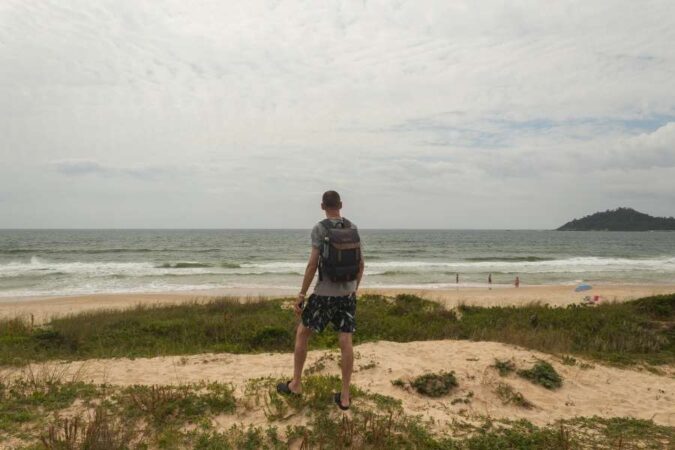
Navigating an isolated tropical setting requires a deep understanding of unique geographic quirks. Standard smartphone mapping applications frequently fail when you venture off the main roads. Dirt paths, shifting coastal tracks, and unmarked junctions can easily confuse an unmapped solo island traveler. Reliable navigation involves understanding local transport schedules, tides, and changing terrains. Getting lost in a dense jungle or stranded on a tidal sandbar can quickly lead to a dangerous situation.
To avoid these common pitfalls, you must know how to prepare for solo island trips before leaving your hotel room. Download comprehensive offline regional maps via applications like Google Maps or Maps.me while connected to strong hotel internet. Study the local terrain and take note of distinct natural landmarks. Talk to your guesthouse hosts about known hazards, private properties, and paths that become impassable during high tides. You can also research specific guides on staying safe while island hopping alone in changing climates to understand volatile shifting winds and marine forecasts.
The Hidden Trap of Coastal Tides
Many travelers fail to realize how quickly the ocean can alter a landscape. A beautiful, wide beach walking trail can vanish completely under water within a few short hours.
Always check the official daily tide tables before embarking on any coastal treks or remote beach explorations. Getting trapped against steep sea cliffs by a rising tide is a common cause of emergency calls. By staying informed, you ensure your outdoor excursions remain enjoyable and entirely free from unnecessary risks.
3. Maintain High Situational Vigilance in Paradise
It is remarkably easy to lower your guard when you are surrounded by beautiful palm trees. The relaxed atmosphere can lull you into a false sense of security, making you vulnerable to opportunistic crimes. True vigilance does not mean living in constant fear or avoiding conversations with friendly locals. Instead, it means staying fully aware of your surroundings, managing your belongings carefully, and trusting your natural instincts.
Pickpockets and petty thieves often target distracted tourists in busy port areas and crowded beach markets. Never leave your phone, wallet, or camera visible on an outdoor table while dining. When swimming, use a small waterproof pouch for your essentials instead of leaving them unattended on the sand. Staying alert allows you to spot unusual behavior before it becomes a direct threat to your safety.
Practicing smart security habits will help you blend in and avoid looking like an easy target for theft. Use a high-quality, slash-resistant daypack with locking zippers for your daily outings. Carry only the cash you need for the day, and keep your primary credit cards and passport locked in your hotel safe. By taking these simple steps, you can explore local markets and busy ports with complete confidence.
4. Prioritize Medical Preparedness for Isolated Settings
Medical emergencies require careful planning when you are miles away from a major urban hospital. Remote destinations often have limited medical clinics, basic pharmacies, and slow emergency transport options. If you get a sudden illness or a minor injury while exploring, you must rely on your own resources. True preparedness means having the right supplies and a clear plan to handle health issues effectively.
A well-stocked first aid kit is an essential item for any responsible solo travel safety tips for islands list. Your personal kit should go beyond standard adhesive bandages to include items suited for tropical environments. The table below lists the essential medical items you should always carry in your daypack:
| Item Category | Specific Inclusion | Target Use Case |
| Wound Care | Antiseptic wipes, liquid bandage, gauze | Coral scrapes, minor cuts, blisters |
| Medications | Antihistamines, ibuprofen, rehydration salts | Food reactions, sunburn pain, dehydration |
| Protection | Reef-safe SPF 50+, high-DEET insect repellent | Sunburn prevention, mosquito-borne illness |
Minor coral cuts or insect bites can quickly become infected in hot, humid tropical climates. Clean every scratch immediately with antiseptic wipes and apply a protective, breathable bandage. Carry water purification tablets or a filtering bottle if you plan to hike far from clean water sources. Being self-reliant reduces the strain on limited local medical resources and keeps your trip on track.
Always secure a comprehensive travel insurance policy that explicitly covers remote medical evacuation. If you sustain a serious injury, the cost of an emergency airlift to a mainland hospital can be financially devastating. Keep your digital insurance certificate and the 24-hour emergency hotline number easily accessible on your phone. Taking these steps ensures you are fully protected against unexpected health challenges.
5. Build Strong Connections with the Local Community
One of the best resources for staying safe is the community living on the island. Local residents know the unique rhythms, weather patterns, and safety realities of their home better than any online guidebook. Building respectful relationships with guesthouse owners, shopkeepers, and boat captains enhances your overall local cultural experience. It also creates a reliable, real-world support network that looks out for your well-being throughout your stay.
Learning a few basic phrases in the regional language shows respect and instantly breaks down cultural barriers. When you check into your accommodation, ask the staff for their direct phone numbers and recommendations for safe transport providers.
If you are planning an excursion, mention your timeline to a resident shopkeeper or your host. The community will appreciate your respect for their home, and they will be the first to notice if you do not return as planned. This mutual respect is the ultimate tool for creating a secure environment.
FAQ
Is it safe to go island hopping alone as a solo traveler?
Yes, it is highly rewarding and safe if you maintain a high level of situational awareness. Always research transport providers, track local weather patterns, and keep your friends informed of your itinerary.
How do I handle medical emergencies on a remote island?
Carry a comprehensive first aid kit packed with tropical essentials, and purchase premium travel insurance that includes emergency medical evacuation. Locate the nearest medical clinic as soon as you arrive at your destination.
What is the best way to keep my cash and passport secure?
Leave your primary passport and backup credit cards inside your hotel room safe. Only carry a small amount of daily cash and a single card in a secure, RFID-blocking money belt when exploring.
How can I stay connected if there is no cellular service?
Download complete regional maps and translation files for offline use before you leave your hotel. For extreme or highly remote adventures, consider investing in a satellite messenger device.
Embarking on a journey as a solo traveler is a powerful way to discover the world and challenge yourself. By implementing these practical strategies, you can confidently navigate remote destinations. Keep your wits sharp, prepare your gear thoroughly, and embrace the incredible freedom of open horizons. Pack your bags, double-check your safety plans, and step boldly into your next great island adventure!
