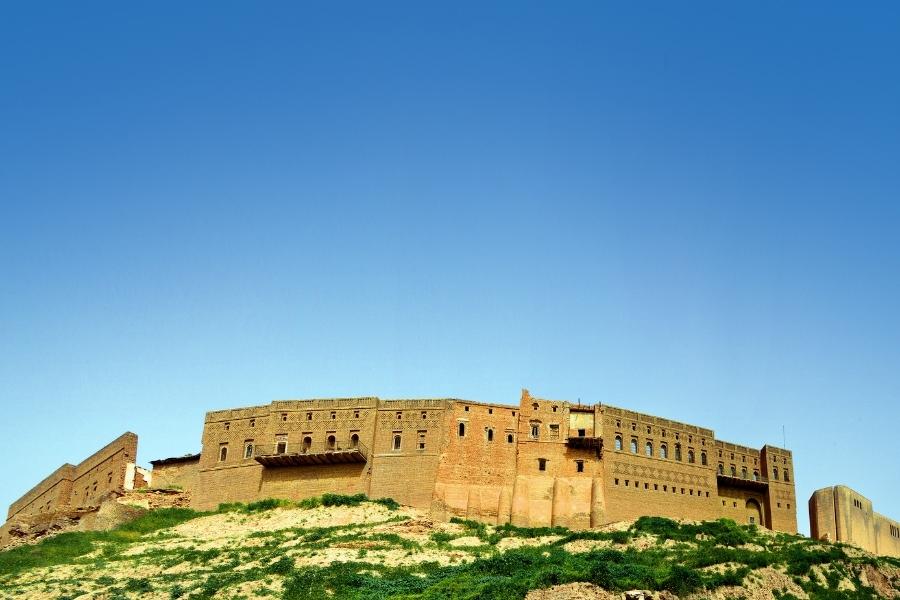
Hidden UNESCO Sites are like that friend’s secret recipe they’ll never share. You know it exists, you’ve heard whispers about how incredible it is, but getting the details? Good luck with that. While everyone’s elbowing each other at Machu Picchu, there are UNESCO World Heritage Sites sitting quietly in corners of the world, practically invisible to the Instagram crowd. These places have stories that don’t need megaphones. They’re content being amazing without the fanfare. But here’s the thing: locals aren’t keeping them secret to be mean. They’ve seen what happens when a place goes viral. One day you’re peacefully farming your ancestral terraces, the next day there’s a selfie stick poking into your rice paddies every five minutes. So yeah, some communities have gotten pretty creative about keeping their secret UNESCO locations under wraps. Can you blame them?
Why Locals Guard Their Hidden UNESCO Sites
Ever watched a small town change after a highway gets built through it? That’s tourism in fast-forward for many UNESCO World Heritage Sites. Locals aren’t being selfish when they keep quiet about their treasures. They’re being smart.
Take any famous heritage site and you’ll find the same pattern. First comes the trickle of respectful visitors. Then travel bloggers discover it. Next thing you know, there are tour buses idling outside sacred temples and vendors hawking plastic souvenirs where pilgrims once walked in silence. The original magic gets buried under layers of tourism infrastructure.
Many communities have this sixth sense about protecting their lesser-known UNESCO sites. They’ve watched neighbors deal with the chaos. In some places, ancient rituals now compete with camera clicks for airspace. Traditional crafts get mass-produced to meet demand. Local kids start seeing their heritage as a commodity instead of their identity. It’s not pretty, and it’s definitely not reversible once it starts.
The money question always comes up. Tourism brings cash, jobs, development. But at what cost? Some communities have decided the trade-off isn’t worth it. They’d rather stay off the tourist map than lose themselves in the process. Smart move, really. These undiscovered World Heritage Sites stay authentic because somebody cared enough to keep them that way.
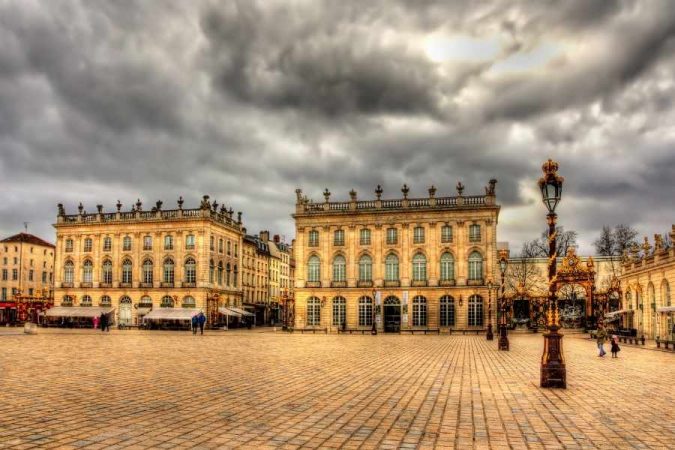
Hidden UNESCO Sites in Asia That Remain Off the Radar
Asia’s got more secret UNESCO treasures than you could visit in a lifetime. The trick is finding them before everyone else does.
The Rice Terraces Nobody Talks About
Everyone knows Banaue’s rice terraces in the Philippines. What they don’t know is that Banaue’s just the opening act. The real show happens in places like Kiangan, Hungduan, and Mayoyao, where Hidden UNESCO Sites stretch across mountains like green staircases to heaven. These terraces have been feeding families for 2,000 years, and the farming families want to keep it that way.
The Ifugao people have mastered the art of selective sharing. They don’t put up big signs or build visitor centers. If you want to see their ancient agricultural landscapes, you need to earn it. Local guides don’t just show up when you wave money around. They want to know you understand what you’re looking at. This isn’t a photo opportunity. It’s their livelihood, their culture, their everything rolled into one incredible landscape.
You won’t find these places on typical tour itineraries. The communities prefer it that way. They’ve seen what mass tourism did to other sites, and they’re not interested in becoming the next casualty. These off-the-beaten-path UNESCO sites reward patience and respect. Rush in with a camera and an attitude, and you’ll get polite directions to the nearest tourist trap.
Japan’s Best Kept Hidden UNESCO Sites
Japan’s Kumano Kodo pilgrimage routes are like the Camino de Santiago’s quiet cousin who reads books instead of posting on social media. These paths wind through mountains where people have been seeking spiritual enlightenment for over 1,000 years. Unlike their Spanish counterpart, these trails haven’t been discovered by the gap-year crowd yet.
Local communities along the Kumano Kodo treat tourism like a delicate houseplant. Too much attention and it dies. They welcome visitors but keep things intimate. Group sizes stay small. Certain sections close seasonally. There are unspoken rules about behavior that separate serious walkers from casual tourists. The locals get it. Their hidden spiritual UNESCO sites work because they’re peaceful, not because they’re convenient.
The forest communities here have this beautiful relationship with their heritage. They’re proud of it but not desperate to monetize it. They understand that spiritual places need space to breathe. Too many people and the magic disappears. Simple as that.
European Hidden UNESCO Sites Locals Prefer to Keep Secret
Europe’s packed with tourists, but somehow these lesser-known World Heritage Sites stay under the radar. Locals have gotten creative about keeping them that way.
Romania’s Painted Monastery Hidden UNESCO Sites
Northern Moldavia’s painted monasteries look like someone took the Sistine Chapel and moved it outside. These 15th-century buildings wear their frescoes on the outside, where rain and snow have somehow left them intact for 500 years. Most people have never heard of them, and the local Orthodox community likes it that way.
These aren’t museum pieces gathering dust. Monks and nuns still live here, pray here, keep the traditions alive. When tourists show up expecting a quick photo op, they get a reality check. These are working monasteries first, attractions second (or maybe tenth). The hidden religious UNESCO sites stay authentic because the communities prioritize faith over profit.
Local residents have this unspoken agreement about managing visitors. They’re welcoming if you come with genuine interest or artistic appreciation. Show up in flip-flops expecting a selfie spot and you’ll find yourself politely redirected somewhere else. The Orthodox community understands their responsibility. These places survived communism, wars, and centuries of neglect. They’re not about to lose them to selfie sticks now.
Scotland’s Hidden UNESCO Sites Beyond the Crowds
Edinburgh gets all the attention, but Scotland’s hiding some serious secret UNESCO locations up north. The Heart of Neolithic Orkney includes sites that make Stonehenge look like amateur hour. We’re talking 5,000-year-old villages, stone circles, and burial chambers that were ancient when the pyramids were still blueprints.
Orkney islanders have this protective thing going with their ancient sites. They know these Neolithic UNESCO treasures are irreplaceable. They’ve watched other Scottish locations get loved to death by tourism. So they keep things low-key. Limited flights to the island. Not many hotels. No big marketing campaigns screaming about “Scotland’s best kept secret.”
The island’s remoteness helps, but locals add their own subtle barriers. You can visit, sure, but you’re going to work for it. And once you’re there, you better show some respect. These sites were built by people who understood astronomy, engineering, and community planning better than most modern cities. The islanders haven’t forgotten that.
African Hidden UNESCO Sites That Resist Discovery
Africa’s got undiscovered UNESCO gems that locals protect through a mix of geography, culture, and pure determination to keep their heritage intact.
Ethiopia’s Cliff-Hanging Hidden UNESCO Sites
Forget Lalibela’s famous churches for a minute. Up in Tigray Province, there are secret religious UNESCO sites carved into cliff faces that would make rock climbers nervous. Abuna Yemata Guh sits on a cliff face that requires actual mountaineering to reach. Maryam Korkor hides inside a mountain like something from an adventure movie.
Local Orthodox communities have been maintaining these churches for centuries without asking for help or recognition. Tourism? Maybe, if you prove you’re serious about understanding what these places mean. The priests don’t mess around when it comes to screening visitors. You want to see their highland UNESCO treasures? Show some respect first.
These aren’t tourist attractions pretending to be religious sites. They’re the real deal. Communities still use them for worship, festivals, and important ceremonies. The outside world can visit, but only on their terms. Makes sense when you think about it. Would you want strangers trampling through your church every day?
Madagascar’s Wild Hidden UNESCO Sites
Madagascar’s like nowhere else on Earth. The island split off from Africa so long ago that evolution went completely wild here. The rainforests of Atsinanana contain species that exist nowhere else in the universe. Most people couldn’t find Madagascar on a map, much less know about its biodiversity UNESCO sites.
The Malagasy people have this concept called “fady” that basically means “don’t mess with certain places at certain times.” Sounds simple, but it’s created some of the best wildlife protection on the planet. Certain forests stay off-limits during breeding seasons. Some areas are permanently taboo. It’s traditional conservation that works better than most modern attempts.
Local guides, when they do take people into these endemic species habitats, follow rules that would make national park rangers jealous. Small groups, specific routes, seasonal restrictions. These Madagascar UNESCO secrets stay wild because the local communities never forgot their job as guardians, not owners, of the natural world.
The Americas’ Most Guarded Hidden UNESCO Sites
From ancient cities to natural wonders, the Americas hide secret World Heritage Sites that locals prefer to keep away from the tour bus circuit.
Mexico’s Hidden UNESCO Sites Beyond the Postcard Pictures
Chichen Itza gets mobbed daily, but Mexico’s got pre-Columbian UNESCO treasures that most tourists never hear about. El Tajín in Veracruz has this incredible Pyramid of Niches and ball courts that rival anything in the Yucatan. The difference? Local Totonac communities still live here, still consider this home.
The Totonac people aren’t hiding El Tajín exactly, but they’re not advertising it either. They want visitors who take time to understand the culture, not just snap photos and leave. Many hidden Mesoamerican sites throughout Mexico work the same way. Access depends on attitude, not just money.
These places offer something the famous sites can’t: authenticity without the circus atmosphere. You can actually think, feel, absorb the history instead of fighting crowds for photo angles. The local communities have figured out how to share their heritage without selling their souls.
Peru’s Secret Incan UNESCO Sites That Skip the Crowds
Machu Picchu’s incredible, but it’s also a zoo. Peru’s got lesser-known Incan heritage sites that offer the same jaw-dropping history without the elbow-to-elbow crowds. Kuelap, way up north in cloud forest country, gets called the “Machu Picchu of the North” but sees maybe one percent of the visitors.
Quechua communities around these hidden Andean UNESCO sites learned from Machu Picchu’s example. They saw the good (economic opportunities) and the bad (cultural disruption, environmental damage). So they’re doing things differently. Community-based tourism, small groups, cultural exchange over quick visits. These secret Peruvian treasures stay real because locals control the pace.
It’s genius, really. Instead of selling their heritage to the highest bidder, they’re sharing it with people who actually care about learning something. Quality over quantity. Cultural preservation over quick cash. Revolutionary thinking in the tourism world.
Natural Hidden UNESCO Sites That Locals Keep Protected
Sometimes the most spectacular natural World Heritage Sites stay hidden not through secrecy, but because local communities understand that protection requires limits.
Socotra Island’s Alien Hidden UNESCO Sites
Yemen’s Socotra Island looks like another planet. Dragon’s blood trees that look like umbrellas made of coral. Plants that exist nowhere else in the galaxy. Despite being a unique biodiversity hotspot, political problems and geographic isolation have kept this Arabian Sea treasure off most travel lists.
The Socotri people speak their own language that’s never been written down. They fish, farm, and live in ways that keep the island’s endemic flora and fauna thriving. Their traditional practices include natural conservation rules that modern environmentalists are just figuring out. Seasonal restrictions, rotating land use, sustainable fishing methods that have worked for centuries.
These island UNESCO secrets survive because the local community never separated their culture from their environment. They don’t see nature as something to exploit. It’s part of who they are. Simple concept, but apparently revolutionary in our modern world.
Pacific Hidden UNESCO Sites That Time Forgot
The Pacific’s scattered with remote World Heritage Sites that stay pristine mainly because they’re incredibly hard to reach. East Rennell in the Solomon Islands is the world’s largest raised coral atoll, supporting ecosystems that exist nowhere else on Earth.
Local Polynesian communities on these Pacific UNESCO islands still live by traditional laws that regulate fishing, gathering, and access to sacred places. Their customary practices create conservation zones that protect these environments better than any government program. These oceanic hidden treasures work because indigenous communities never forgot that cultural survival depends on environmental health.
It’s not rocket science, but it’s apparently harder than rocket science for most of the modern world to understand. Take care of your environment, and it takes care of you. Mess with it, and everybody loses.
How to Respectfully Visit Hidden UNESCO Sites
Want to explore these secret World Heritage locations? Great. But forget everything you know about regular tourism. This requires a completely different approach.
Do your homework first. Really understand what you’re asking to see. Learn some local language basics. Understand cultural taboos and appropriate behavior. Many hidden UNESCO destinations require advance permission or local guides. Don’t try to shortcut this process. It exists for good reasons.
Work with local community tourism groups instead of big international operators. Your money should go to the people protecting these sites, not shareholders in distant countries. Respect photography rules, dress codes, and access restrictions without arguing or trying to negotiate your way around them.
Travel small. These lesser-known heritage sites can’t handle tour bus loads of people without suffering damage. Choose fewer places and spend more time at each one. Actually learn something instead of just collecting passport stamps.
Budget properly for responsible heritage tourism. It costs more than mass tourism because it includes fair compensation for guides, community fees, and conservation contributions. Your visit should help these places, not drain them. If you can’t afford to travel responsibly, wait until you can.
The world’s best places hide in plain sight, protected by communities who know that some things are too precious to share carelessly. These Hidden UNESCO Sites prove that the most incredible discoveries require patience, respect, and the humility to understand that we’re guests in someone else’s home. Maybe the real adventure isn’t finding these secret places, but earning the right to visit them. So next time you travel, ask yourself: are you ready to be the kind of visitor these special places deserve?
