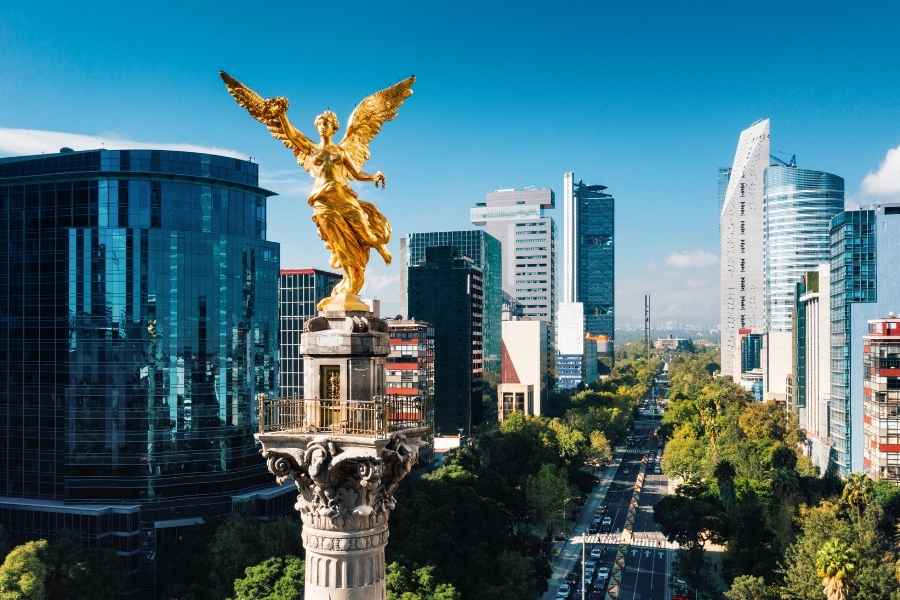
Monument Photography isn’t about pointing your phone at some old rocks and posting to Instagram. You’re dealing with places where real people lived, prayed, and died centuries ago. Your photos can either honor their legacy or help wreck what’s left. There’s this weird tension between getting killer shots and not being a total jerk about it.
Think of it this way: you’re like a tourist with a megaphone. Whatever you capture gets broadcast to thousands of people who’ll never actually visit. But here’s the kicker – documenting these places to “save” them sometimes speeds up their destruction. Wild, right? How do you navigate this mess while creating images that actually matter?
Everyone’s a photographer now thanks to smartphones, which means Monument Photography has exploded everywhere. But easy doesn’t equal simple. You’re not just collecting vacation pics. You’re wading into heated debates about heritage, tourism, and whether all these visitors are loving these places to death. Understanding the ethics isn’t some afterthought – it’s the whole point if you want your respectful monument documentation to mean anything.
The Sacred Trust: Your Real Job in Monument Photography
Walking up to any old monument with your camera is like making a handshake deal with ghosts. These stones watched empires collapse, saw regular people fall in love and break apart, and somehow survived every disaster history threw at them. You stop being just another tourist with a camera. You become a storyteller, a guardian, and sometimes – oops – part of the problem.
Cultural sensitivity in monument photography begins when you realize these aren’t just pretty buildings. They’re someone’s church, temple, or ancestor’s home. That Instagram-worthy cathedral still echoes with prayers from people long dead. Those temple steps? They’re worn smooth by millions of bare feet following traditions older than your country.
How do locals actually see you stomping around with your gear? Are you speed-running through a checklist, or do you give a damn about why this place matters? The difference between ethical heritage photography and being a cultural vulture often boils down to this. Respect shows up in tiny ways: keeping your voice down, covering up appropriately, staying on the damn path, and remembering you’re a guest in someone else’s sacred space.
Professional monument photographers get that their job goes way beyond knowing f-stops and ISO settings. They research the hell out of places before showing up. They learn the stories, understand what’s at stake, and figure out what’s threatening these sites. This homework doesn’t just improve their photos – it transforms how they see everything.

Monument Photography Guidelines: Rules That Actually Make Sense
Every monument site juggles its own crazy mix of problems and politics. Monument Photography rules aren’t just bureaucrats flexing their power. They’re usually smart people trying to let everyone visit without turning these places into rubble. Following these guidelines proves you understand that sustainable monument tourism requires everyone to play nice.
Photo restrictions exist for reasons that aren’t always obvious. Flash slowly kills delicate cave paintings and frescoes. Tripods scratch ancient floors and create traffic jams in tight spaces. Drones freak out nesting birds and violate airspace rules protecting both monuments and nearby folks.
Permitted photography zones aren’t arbitrary lines drawn by control freaks. These areas usually offer the best shots while minimizing damage. Staying put shows you understand that keeping these places alive for your kids requires teamwork, even when you’re itching to get that perfect angle.
Working within boundaries doesn’t murder your creativity – it forces you to get clever. Some of the most jaw-dropping monument photography compositions happen because photographers had to work around limitations. Constraints push you toward unexpected angles, different lighting, and storytelling approaches you’d never discover otherwise.
Professional photo permits do more than generate revenue for site managers. They help coordinate chaos, ensure proper supervision, and track who’s documenting what. This system balances commercial interests with preservation while funding conservation through permit fees.
Monument Photography Techniques That Don’t Suck
Monument Photography techniques demand you blend camera skills with street smarts. Unlike studio work where you control the universe, monument shooting means rolling with changing light, crazy weather, and tourist herds. These technical hurdles pale compared to navigating cultural landmines without blowing everything up.
Natural lighting for monuments gives you both gifts and headaches that smart photographers learn to embrace. That brutal midday sun when tour buses arrive might not flatter your subjects, but it’s often the only shooting window available. Working with whatever light shows up demonstrates respect for site operations while stretching your technical muscles.
Long exposure magic can transform tourist zoos into serene sanctuaries, but consider what you’re really doing. Does your historical site photography show these places honestly, or create fantasy expectations about having them to yourself? Sometimes authentic documentation means including the crowds, construction equipment, and restoration work that defines these living sites.
Composition strategies for monuments should balance artistic vision with truth-telling. Extreme angles and creative cropping create stunning images but can totally misrepresent how monuments actually look, their scale, or context. Your artistic choices carry truth-telling responsibility, especially when your photos might be someone’s only encounter with these places.
Digital tweaking raises serious authenticity questions in monument photography documentation. Basic fixes for brutal lighting conditions are usually cool, but heavy manipulation that changes how monuments actually appear crosses major lines. Your images should illuminate understanding, not manufacture fantasy versions of historical reality.
Monument Photography Plus Local Communities: Not Screwing People Over
How Monument Photography affects local communities is hugely important but gets ignored constantly. These folks deal with tourism’s daily chaos while seeing minimal benefits from the economic circus their cultural heritage generates. Getting this dynamic right is essential for responsible documentation.
Local perspectives on monument photography often clash completely with tourist assumptions. What visitors see as photogenic ruins might represent great-grandmother’s house to locals. Religious sites that look abandoned might pulse with active spiritual life. Community-based heritage photography acknowledges these connections instead of just extracting content.
Cultural protocol for monument photography shifts dramatically across regions, religions, and ethnic groups. Buddhist temples might consider statue photography deeply offensive. Native American sites often ban photography completely for spiritual protection. Islamic monuments have prayer-time restrictions when cameras should disappear.
Building relationships with local guides, community leaders, and site staff enriches understanding while showing respect for local wisdom. These connections reveal photo opportunities guidebooks miss while helping avoid cultural disasters that damage relationships or violate sacred protocols.
Hiring local photographers and guides pumps money into community economies while ensuring culturally informed practices. This collaborative Monument Photography approach creates authentic images while spreading tourism benefits among people who actually maintain and protect heritage sites.
Environmental Damage: What Your Photos Really Cost
Monument Photography creates environmental ripple effects extending way beyond shutter clicks. Carbon footprints from traveling to remote monuments, infrastructure development supporting photography tourism, and cumulative visitor impacts all pressure the very sites we want to document and preserve.
Sustainable practices in monument photography start with transportation choices and continue through every documentation aspect. Choosing local accommodations, supporting community tourism, and minimizing disposable gear reduces environmental impact while supporting economies dependent on heritage tourism.
Social media has intensified pressure on formerly remote or rarely visited monuments. When your monument photography social media posts explode, they trigger visitor floods overwhelming local infrastructure and accelerating site degradation. Consider sharing consequences – does highlighting hidden gems protect or endanger them?
Leave No Trace principles apply equally to monument and wilderness photography. Remove all trash, avoid damaging vegetation or archaeological features, stick to designated paths, and leave sites untouched. Camera equipment should never scar monument surfaces or surrounding landscapes.
Climate change creates unprecedented preservation challenges, making current documentation increasingly valuable for future generations. Rising seas threaten coastal archaeological sites while extreme weather accelerates weathering on exposed monuments. Your heritage site documentation might capture details disappearing within decades due to environmental changes.
