
Faroe Islands weather is basically nature having a mood swing every twenty minutes. You know that friend who can’t decide what to wear? That’s the weather here, except it affects your entire day instead of just their outfit choice. The weather patterns in the Faroe Islands aren’t something you fight against – they’re something you dance with, even if you step on each other’s toes occasionally.
Here’s what actually happens: you’ll wake up to fog so thick you can’t see your rental car. By the time you finish breakfast, sunshine streams through your window like someone just flipped a switch. Then it rains while you’re having lunch, stops completely during your afternoon hike, and delivers a sunset that makes you forget every weather complaint you’ve ever had. Welcome to Tuesday in the Faroe Islands.
These eighteen specks of land floating between Iceland and Norway have their own weather personality. The Gulf Stream brings warm water north while Arctic air masses crash the party from the opposite direction. You’re not just visiting islands – you’re stepping into the middle of a meteorological boxing match that’s been going on for thousands of years.
Understanding Faroe Islands Weather Patterns Throughout the Year
The Faroe Islands sit in what scientists call a subpolar oceanic climate zone. Forget the fancy terms though – what this really means is you’ll experience weather that changes faster than a teenager’s Instagram story. The Gulf Stream acts like a giant radiator, keeping things warmer than you’d expect this far north, but it can’t do much about the wind and rain.
Winter here runs from December through February, and temperatures hover around 3-5°C. That’s warmer than most people expect from a place this close to the Arctic Circle. But here’s the catch – you get maybe five hours of daylight in December. The upside? When the northern lights show up, they have a proper dark canvas to paint on.
Spring stumbles in around April, though it’s more like winter’s awkward younger sibling who keeps tripping over things. Weather forecasting for Faroe Islands during spring is like trying to predict what your cat will do next – technically possible but usually wrong. Temperatures climb to 6-9°C, and suddenly you have 19 hours of daylight by May’s end.
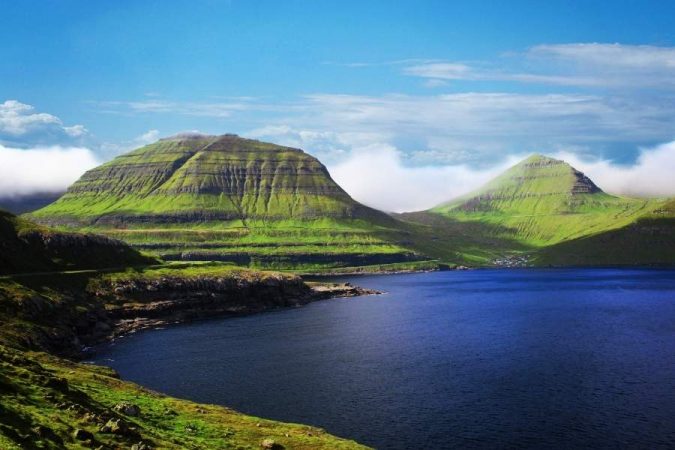
Summer months – June, July, August – bring the best weather in Faroe Islands has to offer. We’re talking 11-13°C, which might sound chilly until you’re hiking through landscapes that look like someone photoshopped reality to make it more dramatic. The sun barely sets, giving you endless opportunities to take photos that make your friends back home slightly jealous.
Autumn shows up in September like that friend who arrives at the party just as things are getting interesting. Temperatures drop from 10°C to 6°C while storms roll in with more drama than a soap opera season finale. But here’s the secret – autumn in the Faroe Islands produces some of the most incredible light you’ve ever seen.
Seasonal Weather in Faroe Islands: What Each Month Brings
January kicks things off with temperatures around 3°C and enough rain to make you appreciate indoor plumbing. Faroe Islands winter weather isn’t about pretty snow scenes – it’s about wind that hits you like a cold slap and landscapes that look like the edge of the world.
February keeps the winter theme going but throws in a bone – daylight hours start climbing from six to nine hours. Storm systems barrel across the islands regularly, but between them, you get air so clean it feels like you’re breathing for the first time.
March is when spring starts making tentative appearances like someone testing the water temperature. Faroe Islands weather patterns this month are about as predictable as a coin flip. Temperatures bounce between 2-7°C sometimes in the same afternoon. The sheep start showing up in fields again, and hardy flowers begin blooming despite everything.
April brings real hope. Temperatures reach 4-8°C and you get 15 hours of daylight. Perfect for getting outside, though you’ll still want layers because Faroe Islands climate conditions can flip from pleasant to challenging before you finish tying your hiking boots.
May is when things get seriously good. We’re talking 6-11°C with 18 hours of daylight. Those famous grass roofs turn electric green, and wildflowers carpet everything like nature decided to redecorate. This is Instagram gold territory.
June officially starts Faroe Islands summer weather. Temperatures hit 8-13°C with almost 19 hours of daylight. The weather still changes its mind regularly, but sunny spells last longer and happen more often.
Faroe Islands Summer Weather: Making the Most of Peak Season
Faroe Islands summer weather operates on island time – which means forgetting everything you think you know about summer. July hits the temperature jackpot at 9-13°C, but don’t pack your bikini. Instead, you get something better: weather that’s perfect for actually doing things without melting into a puddle.
The magic of summer weather in Faroe Islands isn’t about heat – it’s about having nearly 20 hours of usable daylight. July sunrise happens around 4:30 AM, perfect for early birds who want epic photos without crowds. Sunset doesn’t roll around until almost 10 PM, giving you endless golden hour opportunities.
August continues the good times with similar temperatures but starts losing some daylight. This month often delivers the most reliable weather windows for ambitious hikes or camping adventures. The best time to visit Faroe Islands for weather usually lands somewhere in August when storm systems take more breaks and atmospheric pressure decides to behave.
Summer here demands a different packing strategy than your typical beach vacation. Think layers like an onion – you’ll be adding and removing clothes all day. Waterproof everything remains essential because Faroe Islands weather forecasts change faster than your mood on a Monday morning.
Photographers absolutely love this season. Extended golden hour lighting plus dramatic cloud formations equals conditions that make even phone cameras produce magazine-quality shots. The weather changes constantly, but those changes create the lighting that makes these islands famous.
Winter Weather in Faroe Islands: Embracing the Dark Season
Faroe Islands winter weather tells a completely different story. From November through February, these islands transform into something from a Nordic fairy tale – the dark, complicated kind where things get interesting. Forget snow-covered Christmas card scenes. This is more like nature’s moody teenager phase.
December and January bring the shortest days – just 5-6 hours of daylight that feel more like extended twilight. Temperatures stick around 3-5°C thanks to the Gulf Stream, but winds can hit intensities that make you understand why Vikings were so tough. Winter weather Faroe Islands style means learning to find beauty in horizontal rain and clouds that hang around like they’re planning something.
The limited daylight creates unexpected opportunities. Northern lights become possible on clear nights, while the short daylight hours concentrate into intensely beautiful periods. Sunrise and sunset blend together into one long, gorgeous light show.
Winter storms here are genuinely impressive – think wind speeds that can knock you sideways and waves that crash against 400-meter cliffs like they’re trying to rearrange the geography. These aren’t just weather events; they’re nature putting on a show that reminds you exactly how small you are.
Faroe Islands climate during winter also has hidden perks. Tourists basically disappear, leaving you to experience these islands in solitude that’s increasingly rare. Hotels cut their rates, restaurants focus on hearty comfort food, and locals actually have time to chat with curious visitors.
Weather Forecasting for Faroe Islands: Reading the Signs
Understanding weather forecasting for Faroe Islands means throwing out everything you think you know about weather apps and embracing your inner meteorologist. Five-day forecasts here are more like educated guesses, while learning to read the sky becomes a survival skill.
Local weather wisdom beats smartphone apps every single time. Faroese locals can spot incoming weather changes hours before official forecasts catch up. They read signs in cloud shapes, wind shifts, and even how the sheep are behaving – skills passed down through generations who couldn’t just check their phones.
The geography here creates microclimates that can be doing completely different things simultaneously. Tórshavn might be sunny while a village 20 kilometers away deals with fog thick enough to cut with a knife. This Faroe Islands weather variability means your day needs backup plans for your backup plans.
Professional weather people admit the Faroe Islands are a forecasting nightmare. Weather systems approach from every direction, bounce off mountains in unpredictable ways, and create local conditions that make regional forecasts look silly. Satellite data gives you the big picture, but ground-level reality often has other ideas.
Learning to read immediate signs becomes invaluable during longer stays. Cloud types, wind direction changes, and that feeling in your ears when pressure drops can give you more accurate short-term forecasts than official services. It’s not about ignoring modern weather science – it’s about supplementing it with common sense.
Planning Your Visit: Best Weather Windows in Faroe Islands
Faroe Islands trip planning requires flipping your usual approach upside down. Instead of seeking guaranteed sunshine, smart visitors learn to spot weather windows that match their interests and adventure tolerance levels.
May through September gives you the optimal weather period for Faroe Islands visits, but other months aren’t write-offs. Each season brings distinct advantages if you know what you’re looking for. Success comes from matching your expectations with natural patterns instead of demanding the weather behave like you’re in Spain.
Best weather for hiking Faroe Islands typically happens June through August when trails stay most reliable and daylight stretches longest. But experienced hikers often prefer May or September when crowds thin out and weather adds drama to every photo. Trade-off? Higher chances your plans might need sudden adjustments.
Photography lovers frequently target shoulder seasons when Faroe Islands weather conditions get properly dramatic. Spring and autumn storms create cloud formations and lighting that turn ordinary landscapes into something from a fantasy movie. Less predictable weather, but way more interesting photos.
Budget travelers discover that Faroe Islands off-season weather, while trickier, comes with serious financial perks. Winter accommodation costs plummet while reduced tourist infrastructure means more genuine interactions with locals. Weather demands more preparation but rewards you with authentic experiences.
Bird watchers need to sync visits with Faroe Islands seasonal weather patterns that match migration and breeding cycles. Puffin season from May through August coincides with the most favorable conditions, while winter brings different species that actually thrive in stormy weather.
Weather-Dependent Activities: Maximizing Your Faroe Islands Experience
Faroe Islands weather doesn’t just affect your comfort – it literally determines what you can and can’t do during your visit. Understanding these connections turns potential frustrations into strategic advantages that make your trip better.
Hiking tops the weather-sensitivity list, where Faroe Islands hiking weather conditions separate epic adventures from potentially scary situations. Summer provides the most reliable conditions, but even then weather changes fast enough to turn a casual walk into serious outdoor drama. Smart preparation means carrying weather gear regardless of morning sunshine.
Weather for photography Faroe Islands style means embracing storms instead of hiding from them. Pro photographers often prefer nasty weather because it creates dynamic lighting and dramatic skies that make these landscapes so compelling. Clear sunny days, while nice, can actually produce boring photos compared to stormy conditions.
Water activities like boat tours to Mykines depend entirely on sea conditions driven by Faroe Islands weather patterns. Rough weather cancels boat services completely, while calm conditions open access to sea caves, bird colonies, and coastline views impossible from land. Flexible scheduling becomes essential.
Cultural activities and indoor attractions become lifesavers during challenging weather. Museums, restaurants, and craft workshops offer authentic Faroese experiences that don’t care about outdoor conditions. Smart travelers use rough weather days for cultural immersion instead of sulking about lost outdoor time.
Those famous grass-roof buildings become functionally beautiful during Faroe Islands weather extremes. Traditional architecture that’s evolved over centuries to work with rather than against local climate. Experiencing a traditional Faroese home during a proper storm teaches you how local culture developed around challenging weather.
Local Weather Wisdom: What Faroese People Know
Faroe Islands residents have weather awareness that makes smartphone apps look primitive. Generations of dealing with dramatic weather changes created a culture where reading environmental signs becomes as natural as checking the time.
Traditional Faroese weather wisdom includes watching cloud patterns that signal incoming changes hours before official forecasts catch on. Low clouds hugging peaks often mean deteriorating conditions, while specific formations over particular islands predict wind shifts that dramatically affect local weather.
Fishing communities developed especially sophisticated Faroe Islands weather patterns understanding because their paychecks depend on accurate short-term predictions. Fishermen predict storm timing and intensity from wave patterns, bird behavior, and atmospheric pressure changes they feel in their bones rather than measure with instruments.
Farming practices reflect deep weather awareness too. Agricultural schedules built around understood seasonal patterns rather than calendar dates. Sheep move between grazing areas based on forecasts combining traditional knowledge with modern meteorology – farming that works with natural weather cycles.
Faroe Islands climate knowledge includes understanding how mountains and valleys influence local conditions. Residents know which valleys provide wind shelter, which ridges stay clear during storms, and which coastal spots remain calm when everywhere else gets hammered. Localized knowledge that proves invaluable for visitors willing to learn.
The whole concept of “taking weather as it comes” runs through Faroese culture in ways visitors can adopt. Rather than treating changeable weather as inconvenience, locals see weather variety as natural rhythm that adds interest to daily life. This approach transforms visitor experiences from weather-dependent frustration into weather-enhanced adventure.
Ready to tackle the Faroe Islands weather challenge? Perfect days here aren’t about blue skies and warmth – they’re about witnessing nature’s most dramatic shows while standing on Europe’s most remote beautiful islands. Pack rain gear, keep your camera charged, and get ready for weather that’ll mess with your expectations while delivering rewards you never saw coming. Anyone can handle sunshine, but finding beauty in a proper Faroese storm? That takes a real traveler.
