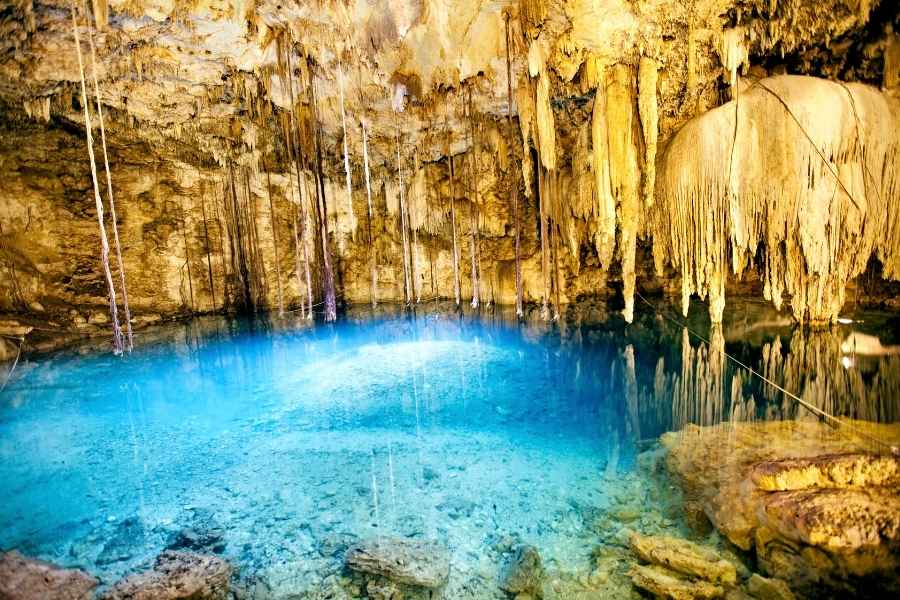
Mexico’s Cenote Conservation isn’t your typical environmental cause. You’re looking at places where the ancient Maya believed gods lived. Now these crystal-clear pools face threats that would make those deities weep.
Think about it: you’re floating in water that’s been filtered through limestone for thousands of years. Sunlight shoots down like golden arrows through the depths. It’s pure magic, right? But here’s the thing: this magic is disappearing fast. Hotels dump their waste nearby. Tourists slather on chemical sunscreen. Farmers spray pesticides that seep straight down through the rock.
The irony hits hard. We love these cenotes in Mexico so much that we’re loving them to death. But wait, there’s hope. Smart people figured out how to flip the script. Your next swimming trip could actually help save these places instead of harming them.
Mexico’s Cenote Conservation groups realized something brilliant. Tourists who understand what they’re swimming through become fierce protectors. Nobody wants to see paradise turn into a polluted pond.
Paradise Has a Problem
Mexico’s Cenote Conservation efforts started because someone noticed the water wasn’t as clear as grandma remembered. That someone was usually a Mayan elder whose family had been swimming in these pools for generations.
The Yucatan Peninsula has over 6,000 cenotes. Sounds like plenty, right? Wrong. Most are already damaged or threatened. Cenote water pollution creeps in from every direction. Luxury resorts built their fancy pools right on top of underground rivers. Guess where their wastewater goes?
Agricultural chemicals make things worse. Picture this: rain hits pesticide-soaked fields, dissolves the chemicals, then carries everything straight down through porous limestone. Within hours, crystal-clear cenotes turn into green soup. Fish die. Plants choke on algae. The whole system crashes.
When Cenotes Die, Communities Suffer
Local families watch their livelihoods vanish when contaminated cenotes can’t host tourists anymore. Maria, a guide in Tulum, told me her cenote closed for three months last year. “No tourists, no money for food,” she said simply.
But it gets scarier. These underground rivers connect across huge distances. Pollution from one cenote spreads to others dozens of miles away. It’s like a disease spreading through the peninsula’s bloodstream. Native fish species that existed nowhere else on Earth just disappear. Forever.

Turning Tourists into Heroes
Mexico’s Cenote Conservation programs discovered something amazing. Give people a chance to be heroes, and they’ll surprise you every time. The Cenote Conservation Alliance created tours that make you feel like you’re on a mission to save the world.
Here’s how it works: before you jump in, guides explain what lives in that water. You learn about tiny blind fish that evolved in total darkness. You hear about ancient tree roots that create underwater forests. Suddenly, you’re not just cooling off. You’re visiting someone’s home.
Eco-friendly cenote tours require biodegradable everything. Your sunscreen, your soap, even your bug spray. Tour groups stay small, maybe eight people max. Everyone gets a chance to ask questions without feeling rushed or ignored.
The coolest part? You become a scientist. Cenote protection initiatives train tourists to collect water samples and photograph wildlife. Your vacation pics turn into research data. Scientists study your photos to track changes over time.
Ancient Waters Meet Modern Tech
Mexico’s Cenote Conservation teams use underwater drones that look like something from a sci-fi movie. These robots map caves too dangerous for human divers. They find new species hiding in impossible places.
Smart sensors monitor water quality 24/7. If pollution levels spike, alarms go off immediately. Response teams can investigate before damage becomes permanent. The technology feels futuristic, but it’s protecting something timeless.
Your Swim Becomes Science
Mexico’s Cenote Conservation turns regular people into underwater researchers. No PhD required. You just need curiosity and willingness to pay attention. Cenote ecosystem research depends on visitors like you noticing things that scientists might miss.
Training takes maybe thirty minutes. You learn to spot key species and measure visibility. If water looks cloudier than usual, you note it. If fish behavior seems strange, you write it down. Simple observations become valuable data points.
Local biologists teach you about creatures you’d never imagine. Blind cave fish navigate perfectly in total darkness. Tiny shrimp glow like underwater stars. Water plants create oxygen bubbles that sparkle like champagne. Learning about these creatures makes every dive feel like discovering alien life.
Mayan Wisdom Guides Modern Science
Mexico’s Cenote Conservation efforts blend ancient knowledge with cutting-edge research. Mayan elders remember when certain cenotes flowed differently. They know which pools dry up during bad years and which ones never change.
Don Carlos, age seventy-eight, grew up swimming in Cenote Azul. He remembers fish species that scientists never documented before they vanished. His stories provide baseline data going back decades. Modern conservation needs this long-term perspective that only local families possess.
Communities Lead the Charge
The best Mexico’s Cenote Conservation projects start in someone’s backyard. Community-based cenote conservation works because locals understand their water better than anyone else. They notice subtle changes that outsiders miss completely.
Mayan families create guardian networks. Different families monitor different cenotes. They watch for illegal dumping, educate tourists, and maintain traditional ceremonies. Cenote preservation groups combine practical protection with cultural traditions that go back centuries.
Money flows directly to families instead of distant organizations. Pedro runs cenote tours that fund water quality testing. Ana sells traditional crafts and uses profits to buy cleanup equipment. Conservation becomes personal when it pays for your kids’ school supplies.
Training the Next Generation
Young people learn Mexico’s Cenote Conservation techniques alongside traditional stories. They discover how to test water quality and identify wildlife. These skills create jobs while keeping cultural knowledge alive.
Fifteen-year-old Sofia learned water testing from her grandmother’s stories and modern equipment. She can spot ecosystem problems that trained scientists might overlook. Her generation bridges ancient wisdom with contemporary conservation methods.
Racing Against Time
Mexico’s Cenote Conservation faces bigger challenges every year. Climate change brings unpredictable weather patterns. Development pressure never stops. Tourist numbers keep growing. Solutions need to scale up fast.
New laws protect cenote ecosystems more strictly than ever before. All development near cenotes requires environmental studies. Enforcement isn’t perfect, but legal protections keep improving. Politicians finally recognize cenotes as critical infrastructure, not just pretty swimming holes.
International partnerships bring expertise and funding from around the world. Universities send research teams. Sister cities share conservation techniques. Your participation connects local efforts to global environmental movements.
Tomorrow’s Protection Tools
Mexico’s Cenote Conservation technology keeps getting smarter. Satellites monitor entire watersheds from space. Computer models predict problems before they happen. Blockchain systems track conservation funding transparently.
Smart contracts automatically pay local groups when they meet conservation goals. Donors see exactly where their money goes and what it accomplishes. Technology builds trust between international supporters and local protectors.
Your next cenote swim could change everything. Mexico’s Cenote Conservation proves that the most incredible travel experiences come from protecting what you love. These waters survived the dinosaurs and witnessed Mayan ceremonies. With your help, they’ll inspire swimmers for centuries to come.
