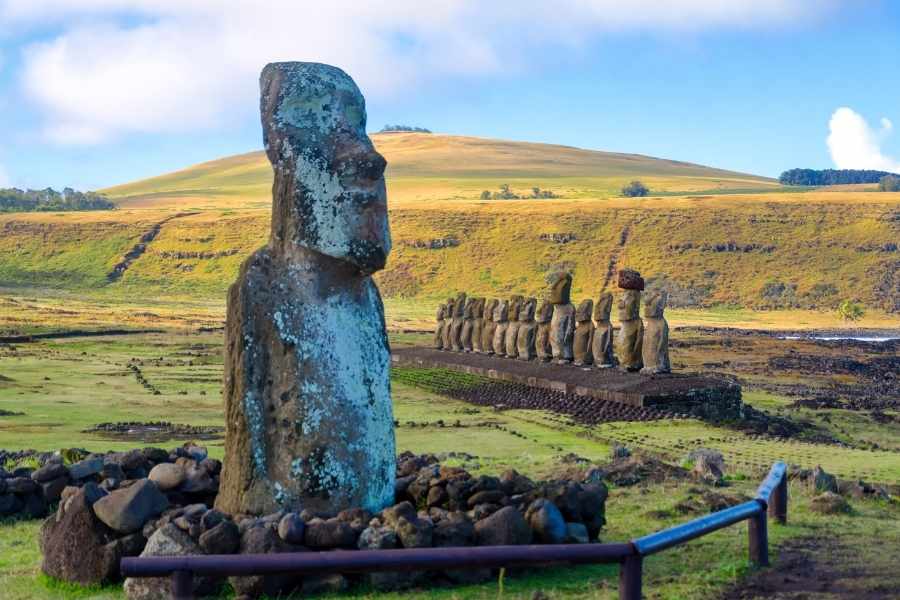
Easter Island Moai have been staring out at the Pacific for over 500 years now. These massive stone heads (well, full bodies actually, but more on that later) are dealing with some serious problems these days. Salt air is eating them alive, tourists are loving them to death, and climate change isn’t doing them any favors either.
Here’s the thing though – you can still visit these incredible sculptures without being part of the problem. Actually, done right, your trip can help keep them around for your grandkids to see. The Rapa Nui people figured out the secret sauce for protecting these giants centuries ago, and now they’re sharing that wisdom with travelers who give a damn.
Think of it this way: every time you follow the rules, you’re basically giving these stone ancestors a fighting chance. Every time you don’t, you’re chipping away at something that took generations to create. Not exactly the legacy most of us want to leave behind, right?
What’s Actually Threatening the Easter Island Moai
The Easter Island Moai are getting hit from all sides these days. Ocean mist carries salt that works like sandpaper on volcanic rock. Rain has gotten weird over the past few decades, carving new channels that wash away the ground under these heavy statues.
Then there’s us – the tourists. Don’t get me wrong, visitor money pays for a lot of conservation work. But millions of footsteps create vibrations that these old stones definitely feel. Some moai still show scars from the bad old days when people climbed all over them and treated them like playground equipment.
Climate change is the big boss battle here though. Sea levels keep creeping up toward coastal moai. Weather patterns have gone completely bonkers, bringing storms that would make ancient Polynesians nervous. Scientists are watching lichen spread across statue faces – sometimes protecting them, sometimes slowly dissolving them.

Why These Statues Are Falling Apart
Teams of researchers from everywhere study exactly how the Easter Island Moai break down over time. Wind carries tiny particles that scrape away details you can barely see. Hot days and cold nights make the rock expand and contract until it cracks.
Here’s something wild – most of these “heads” actually have full bodies buried underground. Centuries of dirt piled up around them. This changes everything about how you protect them since buried parts rot differently than exposed surfaces.
Birds are surprisingly destructive too. Their droppings create acid that eats stone. Invasive plants send roots into cracks that split sculptures apart. Local groups are replanting native vegetation to create better microclimates while fighting off species that damage archaeological sites.
The Rules You Actually Need to Follow
Easter Island tourism regulations aren’t suggestions – they’re the difference between preservation and destruction. Rule number one: keep your hands off. Human skin oil and bacteria start chemical reactions that stain stone permanently. Even a quick touch adds up when thousands of people do it.
Photography gets tricky around here. No flash – it damages the protective lichen that naturally grows on statue surfaces. Drones need special permits and can only fly certain routes away from fragile areas. Professional camera gear often needs advance approval so it doesn’t mess with ongoing conservation work.
Sustainable Easter Island travel means staying on marked paths no matter what. These trails were designed by people who actually know where you can walk without causing landslides. Step off the designated route and you might damage buried artifacts that archaeologists haven’t even found yet.
Popular spots limit how many people can visit at once. Some places require booking ahead through approved tour companies. These responsible tourism Easter Island rules spread out visitor impact instead of everyone cramming into the same spots during peak hours.
Where You Can Go (And Where You Definitely Cannot)
Certain Easter Island Moai areas are completely closed to tourists. The quarry at Rano Raraku has hundreds of partially buried statues that need specialized protection. Access follows strict rules with guided groups sticking to specific viewing platforms.
Sunrise and sunset at places like Ahu Tongariki have special requirements. Early morning visits need certified guides who know moai site protection protocols and can keep everyone safe in dim light. These magical moments when sun hits stone require respect for noise limits and designated viewing spots.
Beach areas near coastal moai operate under different rules. Swimming and water sports must stay away from statue platforms since waves can undermine these coastal archaeological features. Cultural heritage preservation Easter Island includes respecting the sacred nature of these sites during traditional ceremonies.
Research zones change access based on ongoing scientific work. Archaeological teams regularly discover new stuff that needs immediate protection. Sometimes previously open areas close on short notice. Flexible plans and understanding guides help visitors adapt without ruining their Easter Island experience.
Respecting Rapa Nui Culture Goes Way Beyond Rules
The Easter Island Moai aren’t just tourist attractions – they’re the spiritual heart of Rapa Nui identity. Getting this deeper meaning changes how you interact with sacred sites and the local community that maintains them. Traditional customs govern appropriate behavior around moai, including respectful quiet during certain times.
Rapa Nui cultural conservation involves balancing modern tourism with ancient spiritual practices. Many locals work as guides specifically to help visitors understand the cultural context. These community members share stories passed down through families, providing insights no guidebook captures while keeping traditional knowledge alive.
Language preservation connects directly to moai conservation. Traditional Rapa Nui terms for different statue types help archaeologists understand what these sites actually did. Learning basic Rapa Nui phrases and showing interest in local culture supports heritage preservation that goes way beyond stone sculptures.
How Your Money Can Actually Help
Your tourism spending funds Easter Island Moai preservation when you choose the right local organizations. Community-based tour operators put profits back into conservation projects and educational programs. Picking locally-owned places to stay ensures tourism money supports families who’ve maintained these sites for generations.
Volunteer programs let dedicated visitors contribute directly to conservation work. These range from basic site maintenance to specialized archaeological documentation. Easter Island conservation volunteering requires real physical commitment but provides incredible insights into preservation challenges and traditional knowledge systems.
Educational tourism helps visitors understand moai protection guidelines through hands-on experience. Interactive workshops demonstrate traditional carving techniques and showcase current research discoveries. These programs create deeper appreciation for conservation needs while providing sustainable income for local educators and craftspeople.
High-Tech Solutions Meet Ancient Wisdom
Cutting-edge technology plays a huge role in Easter Island Moai preservation now. 3D scanning creates detailed digital records of each statue, documenting current conditions and tracking changes over time. These digital archives help with restoration work while giving researchers worldwide access to detailed measurements.
Laser cleaning removes harmful biological growth and pollution without damaging underlying stone. This precise technology lets conservators target specific problem areas while leaving protective natural coatings alone. Advanced moai conservation methods often combine traditional Rapa Nui knowledge with modern scientific approaches.
Ground-penetrating radar reveals buried statue features without requiring excavation that might destabilize surface sculptures. This tech has revolutionized understanding of moai construction while identifying priority areas for protective measures. Soil analysis predicts future erosion patterns, letting teams implement preventive measures before damage becomes visible.
Keeping Track of Everything
Long-term monitoring systems track environmental conditions that affect Easter Island statue preservation. Weather stations record temperature swings, humidity levels, and rainfall patterns that influence how fast statues deteriorate. This data helps conservators predict when specific interventions might be needed.
Collaborative research brings international expertise to local conservation challenges. Universities and museums worldwide contribute specialized knowledge while training local researchers in advanced techniques. These partnerships ensure Easter Island heritage protection benefits from global scientific developments while maintaining community control over cultural resources.
Visitor impact studies measure how tourism activities affect statue preservation. Motion sensors track foot traffic patterns, helping identify areas where path improvements or access restrictions might be needed. This scientific approach to sustainable moai tourism bases conservation decisions on solid evidence rather than guesswork about tourist behavior.
Planning Your Trip the Right Way
Timing your visit can minimize impact on Easter Island Moai preservation while maximizing your cultural experience. Shoulder season travel reduces pressure on popular sites while often providing better weather for outdoor exploration. Local festivals offer authentic insights into Rapa Nui traditions while supporting community cultural preservation.
Book accommodations way in advance so you can choose environmentally responsible options that support local conservation. Many eco-friendly hotels participate in water conservation, renewable energy projects, and waste reduction that benefits the entire island ecosystem. Eco-friendly Easter Island tourism takes thoughtful planning but rewards visitors with more meaningful cultural connections.
Transportation choices significantly impact your conservation footprint. Walking and cycling provide healthy alternatives to motorized transport while allowing more intimate encounters with the landscape and archaeological treasures. Electric vehicle rentals are becoming available for environmentally conscious visitors who need sustainable mobility for longer distances.
Getting Ready for Conservation-Conscious Travel
Pack smart gear to minimize environmental impact during Easter Island Moai visits. Reusable water bottles cut plastic waste. Solar chargers keep devices powered without drawing on limited island electricity. Biodegradable toiletries protect the fragile ecosystem, especially important given limited wastewater treatment infrastructure.
Understanding local environmental conditions helps you pack appropriately while avoiding products that might harm conservation efforts. Reef-safe sunscreen protects both your skin and coastal ecosystems where marine moai sites are located. Responsible Easter Island packing means leaving behind unnecessary electronics and focusing on experiences rather than material souvenirs.
Educational preparation enhances your ability to appreciate conservation efforts during your visit. Reading about Rapa Nui history, moai construction techniques, and current preservation challenges helps you ask informed questions and understand guide explanations. This background knowledge transforms your visit from passive sightseeing into active cultural learning and conservation support.
Being a responsible visitor to Easter Island Moai goes way beyond just following rules. Every choice you make either supports or undermines the delicate balance between tourism and conservation. These ancient stone guardians survived centuries of challenges, and now they need modern visitors to join their protection story.
The real magic of Easter Island isn’t just mysterious statues – it’s the chance to participate in their preservation. Walking respectfully among these monuments makes you part of a global community protecting irreplaceable cultural heritage. Your memories will be enhanced knowing your visit helped ensure future generations can experience the same wonder that draws travelers from around the world to this remote Pacific island.
