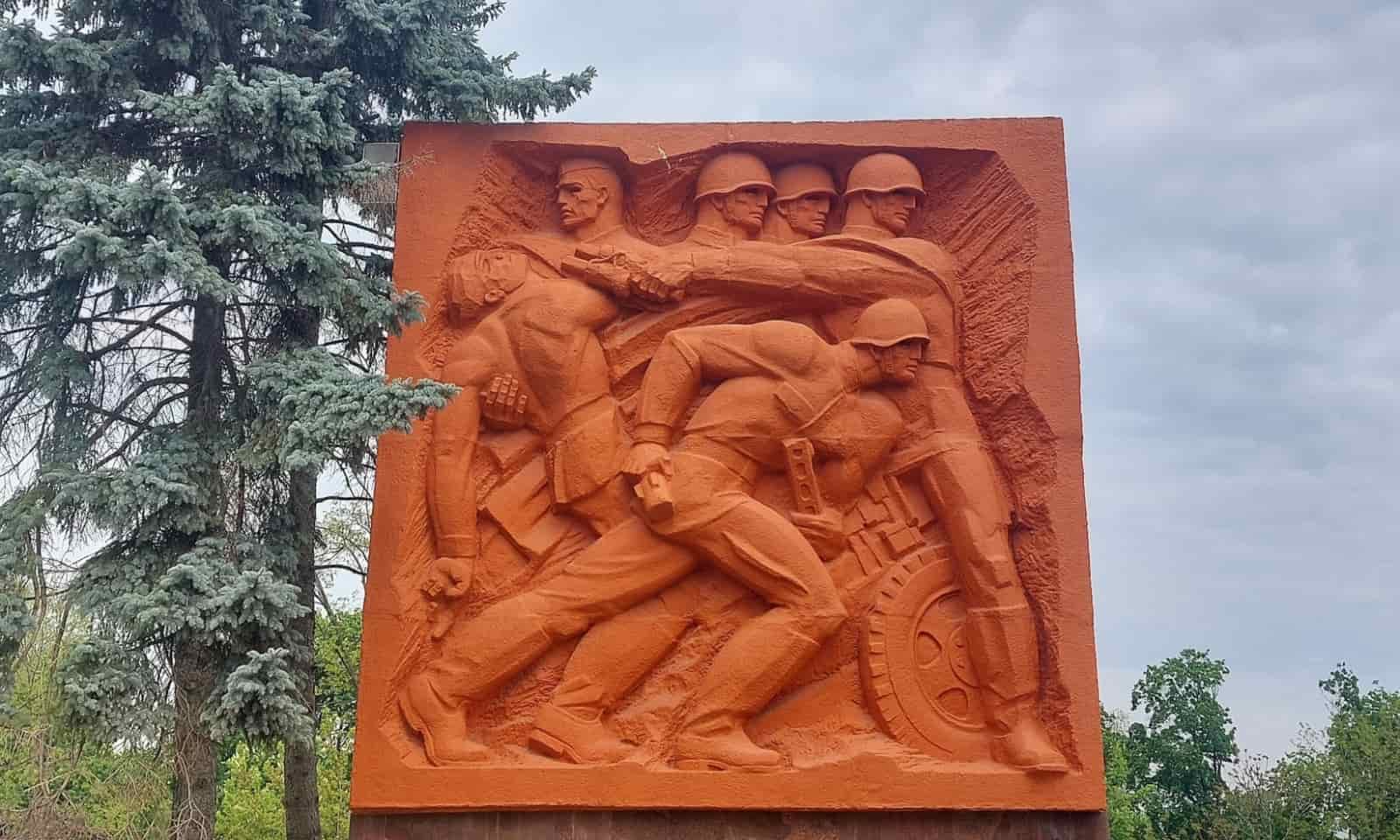
A Soviet-era history tour in Chișinău is not a typical museum visit. It is an immersive journey into a “frozen” world where Lenin’s statue still stands, hammer-and-sickle mosaics decorate public buildings, and the daily rituals of the USSR are still practiced. Whether you cross into the breakaway republic of Transnistria or stay within the capital, expect a blend of stark totalitarian architecture, poignant war memorials, and the lingering scent of dill and stale vodka.
Here is what you can expect regarding sites, attractions, and the overall vibe.
The “Must-See” Destinations
1. The Breakaway Republic of Transnistria (Tiraspol & Bender)
Most Soviet tours focus on this narrow strip of land that still uses the hammer and sickle on its fl ag. To get there, you will cross a de facto border controlled by “peacekeepers,” where you must present your passport .
- The Bender Fortress: While originally Ottoman (16th century), the fortress is the starting point for understanding the region’s military history. It offers a view of the Dniester River, the natural dividing line between Moldova and this breakaway state .
- The “Living Museum” of Tiraspol: The capital of Transnistria feels like a fi lm set. You will see a massive statue of Alexander Suvorov (the founder of the city), the Tank Monument (a real T-34 tank on a pedestal), and the House of Soviets —a prime example of imposing Stalinist Empire architecture .
- Lenin Statues: While many former Soviet states have torn them down, here they remain in the central squares, polished and revered. Getting a photo with the Lenin statue is the quintessential tourist activity .
2. Chișinău’s Hidden Gems (The Capital)
You do not have to leave the capital to fi nd Soviet relics. A walking tour of Chișinău reveals layers of Soviet life mixed with modern Moldovan culture.
- The Eternity Memorial Complex (Victory Memorial): Inaugurated in 1975 for the 30th anniversary of the WWII victory, this is a dramatic sight. A 25-meter high pyramid made of fi ve stylized bayonets (representing the fi ve years of war) looms over an eternal fl ame . Locals frequently bring fl owers here, making it a living memorial rather than a forgotten ruin.
- The Railway Station & Deportations Monument: This is the starting point for many historical walks. It commemorates the deportations of Moldovan families to Siberia in the 1940s—a sobering reminder of the terror that underpinned the Soviet regime .
- Soviet Architecture & Mosaics: You will see the Chișinău Circus building (a decaying but majestic brutalist structure) and the Hotel Cosmos. Look out for vibrant brutalist mosaics on the sides of administrative buildings; these are some of the last surviving public art pieces from the era .
The Cultural Experience: Tastes and Sounds
A Soviet tour engages all fi ve senses. Do not expect fi ne dining; expect authenticity.
- The Stolovaya (Soviet Canteen): Lunch is usually taken in a stark, functional cafeteria. You will line up with a tray, point at mysterious vats of food, and receive a plate of borscht (beetroot soup), a rubbery “kotleta” (fried meat patty) with buckwheat “grechka,” and a glass of sweet kompot (fruit juice). It is cafeteria food, but it is historically accurate .
- KVINT Cognac: The most famous product of Transnistria. Tours often stop at the distillery shop. The brandy is surprisingly good and incredibly cheap, though expect to pay in Transnistrian rubles (which you cannot exchange outside the region) .
- The Trolleybus: In Chișinău, a city known for having a massive trolleybus network, you might ride one of these electric vehicles as part of the tour—a mode of transport that has changed little since the 1980s .
The “Vibe” and Practical Realities
The Atmosphere
This is not a Disneyland version of communism. Guides often provide a balanced narrative—acknowledging both the Soviet victory over Fascism (a source of local pride) and the political repression, economic shortages, and environmental disasters (like the 1986 Chernobyl fallout) that affected Moldova .
Border Crossing (Crucial Info)
If you go to Transnistria, you are technically entering a country that most of the world does not recognize.
- Passport: You will need it to get back into Moldova proper .
- Cash is King: Credit cards do not work in Transnistria. You will need to change money on the black market or at official changers to buy Soviet pins, matryoshka dolls, or cheap champagne .
- Photography: You are generally allowed to take photos of buildings and statues, but guides strongly advise against taking pictures of the military checkpoints or the border guards themselves .
What you won’t fi nd
High-end tourist infrastructure. Expect bumpy roads, peeling paint, and a sense of decay. However, this “roughness” is precisely what makes the tour feel like a genuine archaeological dig into the 20th century rather than a sanitized history lesson.